
After 18 years of silence, Madeleine McCann’s brother has finally spoken out about that night — sharing memories and emotions that few expected. His words are now sparking strong discussions online, with reactions ranging from sympathy to criticism
The disappearance of Madeleine McCann in 2007 remains one of the most haunting mysteries of the modern era. The 3-year-old British girl vanished from a holiday apartment in Praia da Luz, Portugal, while her parents were dining with friends just a short distance away. Her younger twin siblings, Sean and Amelie, were asleep in the very same room when she disappeared. The case captured the attention of the entire world, drawing sympathy, outrage, speculation, and relentless media coverage.
Nearly two decades later, the story has taken an unexpected turn. For the first time, Madeleine’s younger brother, Sean McCann — who was only a toddler when the tragedy occurred — has chosen to speak out. Now in his twenties, Sean is no longer a child living in the shadow of one of the most publicized missing-person cases in history. His voice, unheard for so long, is finally emerging — and his words have sparked intense discussion and reflection across the internet.
In a conversation that was described as both emotional and unfiltered, Sean shared his memories of that night in Portugal. Though he was very young, he describes the event as
What struck many readers was not only Sean’s recollection of the evening but also his perspective on what happened afterwards. Rather than focusing solely on Madeleine’s disappearance, he spoke about the emotional impact the incident had on him and his twin sister.
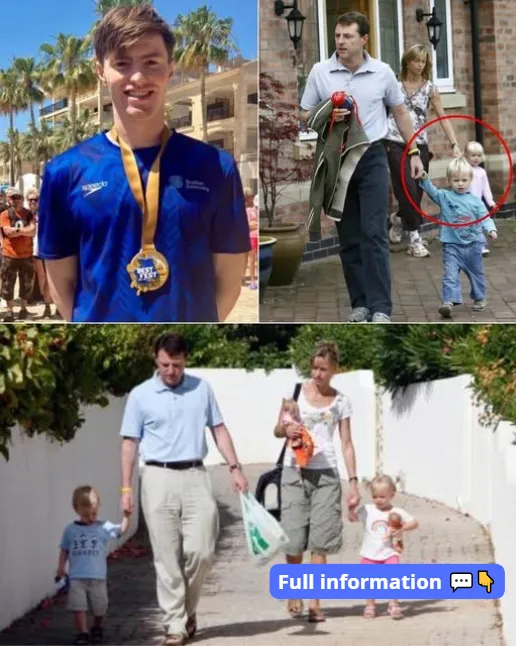
This candid reflection has opened up a new layer to the story. For years, the McCann case has been framed around the search for Madeleine and the international investigation that followed. But Sean’s words remind people that two other children lived through those same events and grew up carrying invisible scars of loss, confusion, and relentless media attention.
Public reaction to Sean’s comments has been deeply divided. Many people expressed compassion, acknowledging how difficult it must have been for him to grow up under such extraordinary circumstances. They praised him for finding the courage to share his truth and shed light on the personal challenges of living in a family defined by a global tragedy.
Others, however, have criticized the way his words were presented, arguing that his statements might reopen painful wounds or reignite debates about decisions made almost twenty years ago. For a family that has endured constant media scrutiny, some observers worry that Sean’s testimony could create new tensions.
Psychologists and family therapists who have commented on the story note that Sean’s perspective is not unusual. Children who grow up in the aftermath of trauma often carry unspoken burdens. In families where the spotlight falls on one child — particularly in cases of tragedy — siblings may feel unseen or overlooked. Over time, this silence can lead to feelings of resentment, guilt, or isolation.
Yet Sean’s reflections are not about anger alone. In fact, he stressed that he is not seeking blame or revenge. What he longs for most is healing. “We can’t heal unless we talk about what really happened that night,”
That statement has resonated strongly with many readers. It highlights a truth often forgotten in high-profile cases: that behind every headline, there are families still living with the consequences long after the world has moved on. For Sean, the tragedy was not only the loss of a sister but also the silence that surrounded his own experiences as he grew up.
May you like

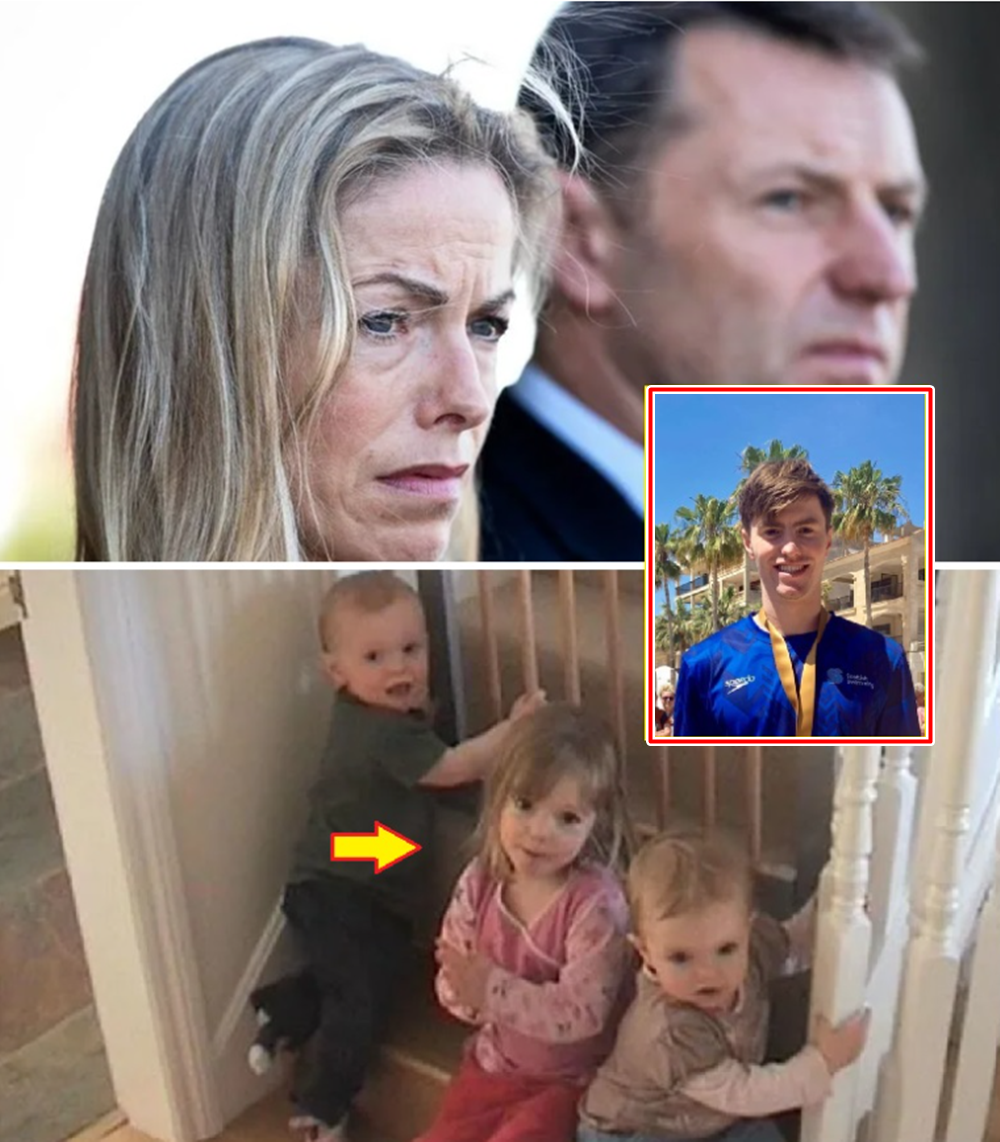
The disappearance of Madeleine McCann has remained an open wound in the public imagination, with countless theories, suspects, and investigations over the years. The Portuguese and British authorities have conducted multiple inquiries, and though leads have surfaced, none have led to definitive answers. Madeleine’s fate is still unknown.
Now, with Sean’s decision to break his silence, a different dimension of the story comes to light. Instead of focusing solely on the missing child, people are beginning to ask new questions:
Sean’s words do not solve the mystery. They do not provide closure in the way that many have hoped for since 2007. But they do offer something else: a reminder of humanity, vulnerability, and the complexity of living with an unresolved loss. His decision to finally speak is less about uncovering facts and more about reclaiming his own story — one that has been overlooked for far too long.
In the end, Sean McCann’s testimony does not change the central question that has haunted the world for years: What happened to Madeleine McCann? But it does add a new one, equally important:
By sharing his truth, Sean has opened a door to understanding not just the tragedy of a missing child, but also the silent struggles of those who continue to live in its shadow.
30 Minutes Ago in Buckinghamshire — Karen Barber broke down in tears as she shared an urgent message with fans that her Partner Christopher Dean, is currently...

Just 30 minutes ago in Buckingham, the figure skating community was shaken to its core by deeply emotional news. Karen Barber – former European champion, respected coach, and beloved TV personality – broke down in tears as she revealed an urgent and personal message: her husband, Christopher Dean, the legendary ice dancer and Olympic champion, has been diagnosed with early-onset Parkinson’s disease.
The revelation spread like wildfire across television, newspapers, and social media. For fans who grew up watching Dean’s dazzling artistry alongside his lifelong skating partner Jayne Torvill, the announcement felt like a collective heartbreak. For many, Dean is not only an athlete but also a cultural icon who redefined the very essence of ice dance.
Speaking live from their home in Buckingham during a short livestream, Karen Barber appeared visibly shaken. Sitting at a simple wooden table with a sheet of paper in her hands, she struggled to steady her voice. “Christopher wanted us to share this together,” she began, pausing as tears welled in her eyes. “But the truth is… time is of the essence now. He has been diagnosed with early-onset Parkinson’s. We are facing it head-on, but we can’t do it without your love and support.” Every word carried not only fear but also profound love and determination. Viewers watching live described the moment as “heartbreaking” and “impossible to absorb.” Messages of shock and support began flooding in before Barber even finished speaking.
According to Barber, Dean’s health struggles began several months ago with subtle but concerning symptoms. He noticed occasional tremors in his right hand, moments of stiffness, and difficulty maintaining balance on the ice — all devastating signs for a man whose life had been defined by elegance and control of movement. “Chris tried to keep skating for as long as he could,” Barber admitted. “But there were days when he’d step on the ice and his body just… wouldn’t respond.” After a series of tests, specialists confirmed the diagnosis. Although Parkinson’s is progressive and incurable, early detection and treatment can slow its effects and help maintain quality of life.

Within minutes of Barber’s announcement, the global skating community began to respond. Jayne Torvill, Dean’s partner of over four decades, released a short but emotional message: “Chris has always been the strongest person I know — not just in body, but in spirit. We’ve faced challenges before, and we will face this one together. My heart is with Chris and Karen every step of the way.” From Canada to Japan to Australia, tributes poured in. Former students remembered his mentorship, Olympians recalled the inspiration of his performances, and fans shared videos of their favorite routines.
Dean’s influence on ice dancing is impossible to overstate. With Torvill, he transformed the discipline into something more than sport — it became a living art form. Their legendary performance of Boléro at the 1984 Winter Olympics in Sarajevo, which earned them perfect scores, remains one of the most iconic moments in sports history. Even after retiring from competitive skating, Dean continued shaping the future of the sport through choreography, coaching, and his long tenure as a judge and mentor on Dancing on Ice.
On social media, the hashtag #PrayersForChris began trending within the hour. One fan wrote: “Christopher Dean taught us that skating can touch your soul. Now it’s our turn to lift him up.” Another posted a clip of Boléro with the caption: “This is how I will always remember him — strong, graceful, unforgettable.” For many, Dean’s artistry had been a constant presence in their lives — part of family traditions, wedding dances, or childhood dreams of taking to the ice.
Doctors have recommended a treatment plan combining medication, physical therapy, and regular activity tailored to Dean’s condition. Barber revealed that he has already begun specialized training to preserve strength and mobility. She emphasized that the goal is not only to fight the disease but also to maintain a sense of joy and dignity in daily life.
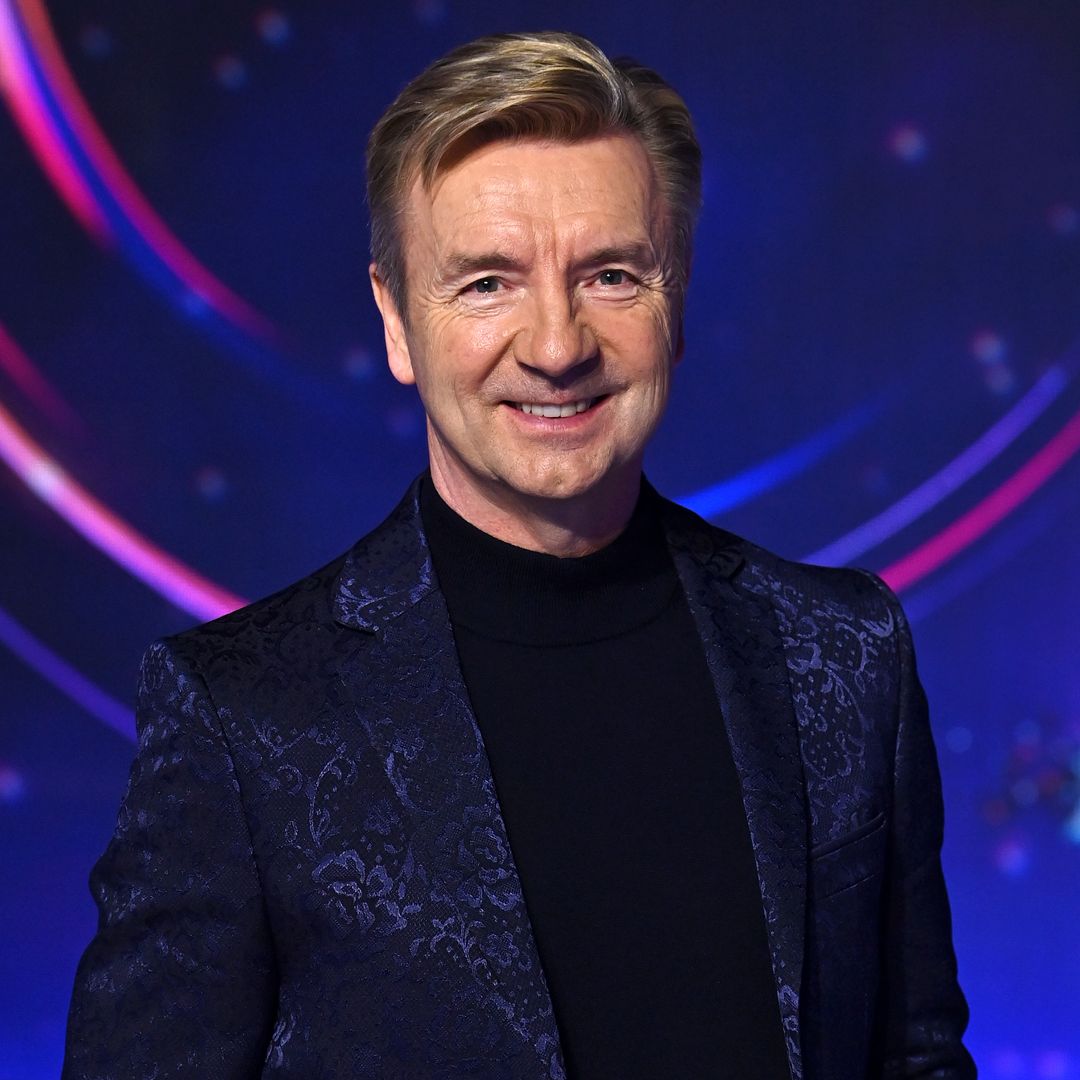
Before ending the livestream, Barber made a heartfelt appeal: “Please don’t see this as the end of his story. See it as a new chapter. Support him, celebrate him, and remember all that he’s given to the world of skating.” She urged fans and the media to focus on compassion rather than speculation, and encouraged donations to Parkinson’s research, reminding everyone that greater awareness and funding are essential for better treatments in the future.
Though Parkinson’s will inevitably change Dean’s physical abilities, it cannot erase his extraordinary legacy. His career stands as a testament to vision, creativity, and perseverance. For nearly half a century, Christopher Dean has given the world unforgettable beauty on ice. Now, as he faces the most difficult personal challenge of his life, he does not face it alone. From Olympic champions to young children lacing up skates for the very first time, the entire skating family stands with him.
Christopher Dean’s story has always been about more than medals — it has been about emotion, artistry, and the human spirit. That spirit remains unshakable. And as Barber said so movingly, this is not the end. It is the beginning of a new chapter, one written not on the ice, but in courage, resilience, and the unwavering love of a global community that will never forget what he has given them.


